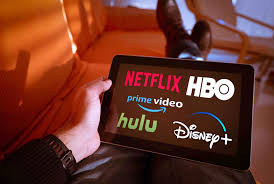
Streaming entertainment has transformed how people consume media, reshaping global culture and catalyzing innovation across industries. From movies and television shows to live sports and user‑generated content, streaming services have become essential in daily life. This comprehensive guide explores the core concepts, key platforms, technology infrastructure, monetization models, trends, and SEO strategies related to “Streaming Entertainment,” offering valuable insight for content creators, marketers, and everyday users.
What Is Streaming Entertainment
Streaming entertainment refers to the delivery of multimedia content over the internet in real time without requiring users to download files before watching. Unlike traditional broadcast or cable television, streaming allows audiences to access content on demand or through live broadcasts on various devices, including smartphones, smart TVs, tablets, laptops, and dedicated streaming hardware. The rise of high‑speed internet and adaptive bitrate streaming technology has enabled a seamless viewing experience, making streaming entertainment a dominant form of media consumption globally.
The Evolution of Streaming Platforms
The concept of streaming entertainment dates back to early online video experiments, but the industry rapidly expanded with the advent of major digital platforms. Netflix revolutionized entertainment with its subscription‑based model, offering original content and licensed programming directly to viewers without commercials. Following Netflix, competitors emerged with differentiated offerings. Disney+ brought iconic franchises like Star Wars and Marvel to a global streaming audience. Amazon Prime Video leveraged e‑commerce integration and exclusive films and series to attract subscribers. Hulu provided a hybrid model with next‑day TV episodes, live TV bundles, and original content. Other platforms such as HBO Max and Apple TV+ entered the landscape with premium content and exclusive releases.
Key Features of Leading Streaming Services
Content libraries differ across platforms, which plays a vital role in subscriber acquisition and retention. Netflix emphasizes a mix of globally popular series, films, and documentaries, with hits like “Stranger Things” and “The Crown.” Disney+ appeals to family audiences and fans of franchise universes. Amazon Prime Video includes bundled benefits with Amazon Prime membership, including free shipping and exclusive deals. Hulu’s flexible plans include ad‑supported and ad‑free options. HBO Max focuses on premium content from HBO, Warner Bros., and third‑party partnerships. Apple TV+ highlights original storytelling with acclaimed series and films, positioning itself as a curated, high‑quality provider.
Beyond content libraries, technological features impact user experience. Personalized recommendation engines analyze viewing behavior to suggest relevant content, increasing engagement and watch time. Seamless cross‑device synchronization allows users to start watching on one device and continue on another. Offline downloads cater to on‑the‑go viewers without constant internet access. Multi‑screen support and family profiles enhance usability for households with diverse preferences.
How Streaming Technology Works
Streaming entertainment relies on a complex set of technologies that enable efficient delivery and playback of content. Key components include content delivery networks (CDNs), which distribute media files across geographically dispersed servers to reduce latency and buffering. Adaptive bitrate streaming adjusts video quality in real time based on the viewer’s connection speed, ensuring the smoothest possible playback. Video compression standards such as H.264, H.265 (HEVC), and AV1 optimize file size without sacrificing quality. Modern streaming platforms also use digital rights management (DRM) systems to protect copyrighted content and enforce licensing agreements.
Monetization Models in Streaming Entertainment
Streaming services employ various monetization models tailored to audience expectations and market dynamics. Subscription Video On Demand (SVOD) is the most common model, in which users pay a recurring fee for unlimited access. Netflix, Disney+, and HBO Max exemplify SVOD. Ad‑supported Video On Demand (AVOD) offers lower or no subscription fees, generating revenue through advertisements; Hulu and some tiers of Peacock utilize this model. Transactional Video On Demand (TVOD) allows users to pay per view or rental, suitable for new releases or special content. Hybrid models combine SVOD and AVOD features, providing choices for users and diversified revenue streams for platforms.
The Impact of Original Content
Original programming has become a cornerstone of competitive advantage in streaming entertainment. Exclusive content drives brand identity and subscriber loyalty. Netflix’s investment in original films and series disrupted traditional studio distribution, while Disney+ leveraged its intellectual property to cultivate a dedicated fan base. Amazon Prime Video and Apple TV+ continue producing critically acclaimed originals, often attracting awards recognition. Platforms that invest in diverse and localized content also expand their reach into international markets, engaging audiences with culturally relevant storytelling.
Live Streaming and Interactive Media
Live streaming represents a growing segment within entertainment, particularly for sports, news, concerts, and broadcasts. Platforms such as YouTube and Twitch facilitate interactive live content, enabling real‑time engagement through chat, reactions, and community participation. Major sporting events and esports tournaments increasingly rely on live streaming distribution to reach global audiences. Interactive features, such as polls, choose‑your‑own‑adventure narratives, and social integrations, are enhancing user agency and immersion in digital media.
SEO Strategies for Streaming Entertainment Content
Creating SEO‑friendly content around streaming entertainment requires strategic keyword integration, entity usage, and user‑centric information. Start with primary keywords like “streaming entertainment,” and incorporate relevant long‑tail variations such as “best streaming platforms 2026,” “compare Netflix vs Hulu,” and “how streaming works.” Use entities like platform names (e.g., Netflix, Disney+, Amazon Prime Video) naturally throughout the content to align with search intent and semantic search signals. Structure content using descriptive headings, internal links to related posts, and optimized meta titles and descriptions. Engage readers with in‑depth comparisons, tips, and trend analysis to improve dwell time and reduce bounce rate.
Consumer Trends in Streaming Entertainment
The streaming landscape continuously evolves in response to consumer behavior and technological advancements. Cord‑cutting continues as subscribers cancel traditional cable services in favor of streaming alternatives. Mobile viewing grows with enhanced network infrastructure like 5G, enabling high‑quality streams on the go. Bundled services, such as combining multiple subscriptions or including streaming with telecom plans, increase value perception. As competition intensifies, platforms explore niche markets with genre‑specific offerings and strategic partnerships. Data privacy and personalization also shape user experiences, with platforms balancing targeted recommendations against privacy protections.
Challenges Facing Streaming Services
Despite rapid growth, streaming entertainment faces notable challenges. Content licensing and production costs remain high, pressuring profitability. Subscriber churn increases as users cycle through services to access exclusive releases. Piracy and unauthorized redistribution erode revenue potential. Technical challenges, such as network congestion during peak times, can degrade service quality. Regulatory environments vary by region, affecting distribution rights and compliance requirements. Platforms must innovate continuously to address these obstacles while maintaining user satisfaction and sustainable growth.
The Future of Streaming Entertainment
The future of streaming entertainment promises innovations that further blur the line between digital and traditional media. Advancements in artificial intelligence and machine learning will enhance personalization, content discovery, and production efficiency. Immersive technologies like virtual reality (VR) and augmented reality (AR) may introduce new forms of interactive streaming experiences. Blockchain and decentralized networks could impact rights management, transparent revenue sharing, and creator monetization. As consumers demand more choice, flexibility, and quality, streaming platforms that innovate responsibly and prioritize user experience will thrive in the next era of digital media.
Conclusion
Streaming entertainment has redefined how audiences engage with media, creating a dynamic ecosystem of platforms, technologies, and content formats. From major services like Netflix, Disney+, and Amazon Prime Video to live streaming on YouTube and Twitch, the industry reflects the diverse preferences of global viewers. Understanding the fundamentals of streaming technology, monetization models, SEO strategies, and emerging trends empowers creators, marketers, and consumers to navigate this transformative landscape. As streaming continues to evolve, staying informed and adaptable will be key to success in the digital entertainment era.