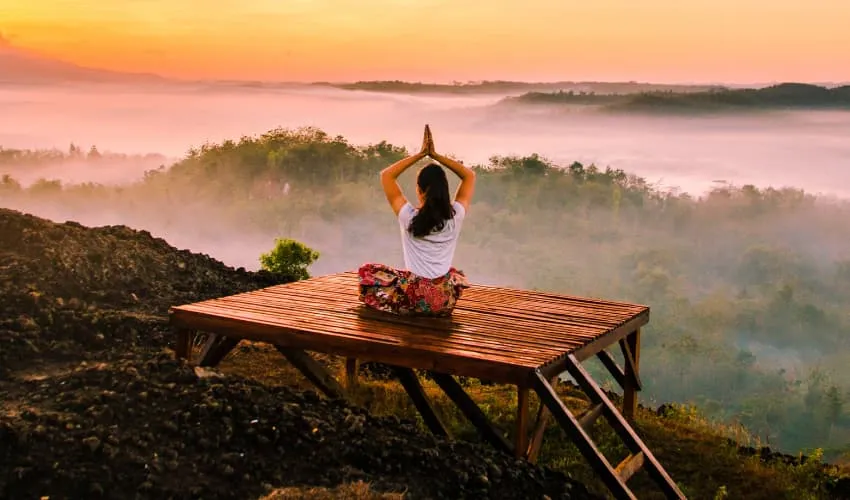
In today’s fast-paced world, prioritizing health and well-being is more critical than ever. A Wellness Guide can help individuals navigate the complex landscape of physical, mental, and emotional health, providing strategies for a balanced lifestyle. Wellness is not just about exercise or diet; it encompasses mental clarity, emotional resilience, spiritual fulfillment, and environmental awareness. This guide explores key dimensions of wellness, effective practices, and trusted resources to create a sustainable, healthy lifestyle.
Understanding Wellness: Beyond Physical Health
Wellness is a multidimensional concept. While traditional health often emphasizes physical fitness, modern wellness integrates multiple domains including mental, emotional, social, and spiritual well-being. According to the World Health Organization (WHO), wellness is “a state of complete physical, mental, and social well-being, not merely the absence of disease.”
The primary dimensions of wellness include:
- Physical Wellness – Focuses on maintaining a healthy body through exercise, nutrition, sleep, and preventive healthcare.
- Mental and Emotional Wellness – Encourages stress management, emotional intelligence, mindfulness, and mental clarity.
- Social Wellness – Emphasizes building meaningful relationships and fostering a supportive community.
- Spiritual Wellness – Promotes a sense of purpose, connection to values, and mindfulness practices.
- Environmental Wellness – Involves awareness of surroundings and taking steps to live in harmony with the environment.
By understanding these interconnected dimensions, individuals can develop personalized strategies to enhance overall well-being.
Physical Wellness: Exercise, Nutrition, and Preventive Care
Exercise for Optimal Health
Regular physical activity is a cornerstone of wellness. The American Heart Association (AHA) recommends at least 150 minutes of moderate-intensity aerobic activity per week. Popular exercise routines include:
- Cardiovascular workouts – Running, cycling, swimming, and brisk walking improve heart health and endurance.
- Strength training – Resistance exercises like weightlifting enhance muscle tone, metabolism, and bone density.
- Flexibility and balance exercises – Yoga and Pilates improve flexibility, reduce injury risk, and promote relaxation.
Incorporating a mix of these activities ensures comprehensive physical fitness.
Nutrition and Dietary Balance
Nutrition is vital for energy, immunity, and longevity. A well-rounded diet includes:
- Fruits and vegetables – Provide essential vitamins, minerals, and antioxidants.
- Whole grains – Support digestive health and provide sustained energy.
- Lean proteins – Aid in muscle repair and metabolic function.
- Healthy fats – Sources like avocados, nuts, and olive oil improve brain and heart health.
For specialized guidance, consulting a registered dietitian (RD) or nutritionist ensures personalized nutrition plans that align with individual wellness goals.
Preventive Healthcare
Routine screenings, vaccinations, and regular check-ups help detect health issues early. Common preventive measures include:
- Annual physical exams
- Blood pressure and cholesterol monitoring
- Cancer screenings (e.g., mammograms, colonoscopies)
- Immunizations recommended by the Centers for Disease Control and Prevention (CDC)
Preventive care reduces the risk of chronic illness and promotes long-term wellness.
Mental and Emotional Wellness: Cultivating Inner Resilience
Mental health is integral to overall wellness. Practices to enhance mental and emotional well-being include:
Mindfulness and Meditation
Mindfulness practices, endorsed by institutions like Harvard Medical School, improve focus, reduce stress, and support emotional regulation. Simple techniques include:
- Deep breathing exercises
- Guided meditation sessions
- Journaling thoughts and emotions
Stress Management
Chronic stress can harm physical and mental health. Effective stress management strategies include:
- Time management and prioritization
- Engaging in hobbies and creative activities
- Spending time in nature or practicing grounding techniques
Professional Support
Mental health professionals, including therapists, psychologists, and counselors, provide tools to cope with anxiety, depression, and life challenges. Telehealth services like BetterHelp and Talkspace make access to mental health support more convenient.
Social and Community Wellness: Building Meaningful Connections
Human beings are social creatures, and fostering strong relationships improves both physical and mental health. Key strategies include:
- Engaging in community activities and volunteering
- Building a support network of family, friends, and colleagues
- Practicing empathy and effective communication
Research by Mayo Clinic highlights that strong social connections can enhance longevity and reduce the risk of chronic illness.
Spiritual Wellness: Finding Purpose and Inner Peace
Spiritual wellness does not necessarily mean religion; it encompasses personal growth, values alignment, and mindfulness. Practices that promote spiritual wellness include:
- Meditation and reflective journaling
- Participating in spiritual communities or workshops
- Mind-body practices like yoga, tai chi, or qigong
Engaging in activities that provide a sense of purpose fosters resilience and emotional stability.
Environmental Wellness: Harmony with Your Surroundings
Environmental wellness focuses on creating a safe, clean, and sustainable living environment. Recommendations include:
- Reducing exposure to pollutants and toxins
- Maintaining a clutter-free and organized home
- Practicing sustainable habits like recycling and conserving energy
The Environmental Protection Agency (EPA) emphasizes that healthy living spaces contribute significantly to overall wellness.
Technology and Wellness: Tools to Support a Healthy Lifestyle
Modern technology can enhance wellness through apps, wearable devices, and online resources. Examples include:
- Fitness trackers like Fitbit and Apple Watch monitor activity and sleep patterns
- Meditation apps like Headspace and Calm support mental health
- Telehealth platforms provide easy access to healthcare and counseling services
However, balancing screen time and digital consumption is crucial to prevent digital fatigue.
Wellness Challenges and Common Misconceptions
Despite its importance, wellness is often misunderstood. Common misconceptions include:
- Wellness is only about physical appearance
- It requires expensive programs or memberships
- Quick fixes can replace consistent lifestyle habits
Sustainable wellness comes from integrating healthy routines into daily life, setting realistic goals, and maintaining consistency.
Creating Your Personalized Wellness Plan
A successful wellness plan is tailored to individual needs and lifestyles. Steps to create one include:
- Assess your current physical, mental, and social health
- Identify goals for each dimension of wellness
- Choose practices and routines that fit your schedule and preferences
- Track progress and adjust strategies as needed
- Seek professional guidance for specialized areas like nutrition or mental health
Tools like MyFitnessPal, Headspace, and wellness journals help monitor progress and maintain accountability.
Conclusion: Embracing a Holistic Approach to Wellness
Wellness is a lifelong journey that involves balancing mind, body, and spirit. By focusing on multiple dimensions, practicing preventive care, cultivating meaningful relationships, and leveraging technology responsibly, individuals can achieve lasting health and fulfillment. A Wellness Guide empowers readers to make informed choices, build resilience, and live a purposeful, balanced life.
Leave a Reply