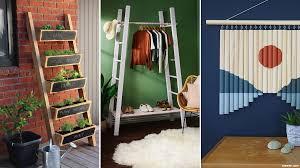
DIY projects have gained immense popularity in recent years, offering individuals the opportunity to combine creativity, functionality, and cost-saving benefits. Whether it’s home improvement, crafting, or personalized gifts, DIY projects allow people to transform ordinary spaces and objects into something unique. Platforms like Fixer Upper and This Old House have further popularized the concept, inspiring homeowners to take on projects themselves rather than relying solely on professionals.
DIY projects are not just a hobby; they are a lifestyle choice that encourages sustainability, resourcefulness, and skill development. By using affordable materials and exploring creative solutions, individuals can achieve professional-looking results without significant financial investment.
Benefits of DIY Projects
Engaging in DIY projects offers numerous benefits beyond saving money. One key advantage is the development of problem-solving skills. For example, constructing furniture from IKEA kits requires following instructions, measuring accurately, and adjusting components to fit specific spaces. This enhances critical thinking and precision.
DIY projects also promote mental well-being. Activities like painting, woodworking, or crafting can reduce stress and boost creativity. Studies by American Psychological Association suggest that creative engagement improves mood and overall cognitive function.
Another significant benefit is personalization. Custom DIY projects allow individuals to tailor their homes, gifts, and personal items to their tastes. Whether it’s a homemade candle from Yankee Candle or a reclaimed wood bookshelf, DIY projects provide a sense of ownership and pride in one’s creations.
Popular DIY Project Categories
Home Improvement
Home improvement projects remain the most popular category among DIY enthusiasts. Tasks such as painting walls, installing shelves, or creating accent walls with wallpaper can transform living spaces. Tools and resources from Home Depot and Lowe’s make it easier for beginners to start with minimal prior experience.
Additionally, outdoor projects like building a deck, garden planter boxes, or even a pergola add value to the home and enhance outdoor living areas. Incorporating sustainable materials, such as bamboo or recycled wood, aligns with eco-friendly practices promoted by entities like Green Building Council.
Crafting and Art
Crafting is another thriving area in DIY projects. Activities like scrapbooking, painting, sewing, and jewelry-making allow individuals to create visually appealing items for personal use or gifts. Platforms like Etsy have made it possible for DIY enthusiasts to monetize their creations, turning hobbies into small businesses.
Using upcycled or recycled materials in crafting is both cost-effective and environmentally responsible. DIY tutorials often guide users to transform everyday items, such as old jars or fabric scraps, into useful and decorative pieces.
Furniture and Woodworking
DIY furniture projects have become increasingly popular, particularly with the rise of modular and minimalist designs. Simple projects like building a coffee table, bedside table, or floating shelves are ideal for beginners. Advanced woodworking projects include creating cabinets, outdoor benches, or custom storage units.
Entities such as Woodworkers Guild of America provide step-by-step tutorials, videos, and tips for both novices and experienced woodworkers. By mastering these skills, individuals can achieve durable, high-quality results at a fraction of the cost of store-bought furniture.
Technology and Electronics
Tech-based DIY projects are gaining traction, especially with the rise of smart home solutions. Projects like assembling custom computers, installing home automation systems, or building DIY drones combine technical skills with creativity. Resources from Arduino and Raspberry Pi have made electronic DIY projects accessible to hobbyists of all levels.
Such projects not only enhance technical knowledge but also provide functional solutions for everyday problems, like creating smart lighting systems or security devices tailored to one’s home.
DIY Project Tools and Materials
The success of any DIY project depends heavily on having the right tools and materials. Common essentials include measuring tapes, hammers, drills, screwdrivers, paintbrushes, and crafting knives. Specialty tools like 3D printers, laser cutters, or sewing machines expand possibilities for more complex projects.
Materials vary depending on the project type. Home improvement projects often require wood, screws, nails, paint, or adhesive products. Crafting projects may use fabric, beads, paper, or recycled components. Sustainable materials such as reclaimed wood, biodegradable glues, and eco-friendly paints are increasingly popular, reflecting the growing emphasis on environmental responsibility in DIY communities.
Retailers such as Ace Hardware and Michael’s offer a wide range of products, making it easy for hobbyists to access high-quality tools and materials.
Tips for Successful DIY Projects
- Start Small: Beginners should choose manageable projects to build confidence before attempting larger tasks. Simple wall art or small furniture pieces are excellent starting points.
- Plan Thoroughly: Drafting a detailed plan, including measurements, materials, and step-by-step instructions, reduces mistakes and saves time.
- Learn from Tutorials: Online platforms like YouTube and Pinterest provide extensive DIY tutorials and inspiration.
- Prioritize Safety: Using protective gear such as gloves, goggles, and masks is essential, particularly for woodworking or painting projects.
- Embrace Creativity: DIY is all about personal expression. Don’t hesitate to modify designs or add unique touches.
Conclusion
DIY projects are more than just a pastime—they are a means of self-expression, learning, and sustainable living. From home improvement and crafting to woodworking and tech innovations, DIY projects empower individuals to create functional, beautiful, and personalized items. With the right tools, materials, and guidance from resources like DIY Network, anyone can transform ideas into tangible results. Engaging in DIY projects not only enhances skills but also fosters creativity, independence, and a sense of accomplishment.
By incorporating these practices, individuals can elevate their homes, craft unique gifts, and explore technological innovations, all while enjoying the satisfaction of hands-on creation. DIY projects continue to thrive as an accessible, rewarding, and environmentally conscious approach to personal and home improvement.
Leave a Reply