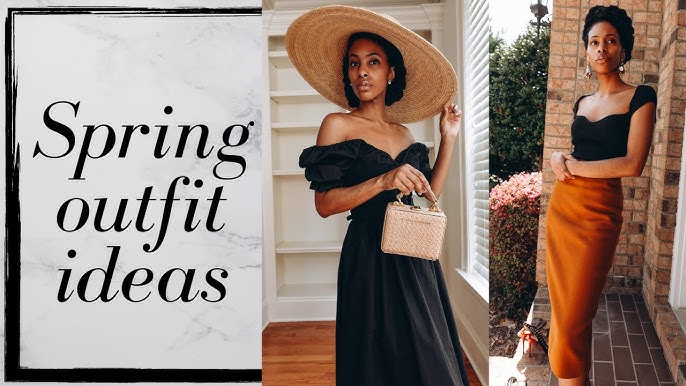
Style inspiration is the foundation of every memorable look. Whether you are refreshing your everyday wardrobe or preparing for a special event, understanding where to find inspiration and how to apply it to your personal style is essential. This guide explores the best sources of style inspiration, proven strategies for developing your individual fashion identity, and ideas that will elevate your wardrobe beyond trends into timeless elegance. In this article, we will discuss influential designers, fashion capitals, iconic looks, and practical styling tips that resonate with readers seeking wardrobe transformation.
Why Style Inspiration Matters
Style inspiration goes beyond what looks good—it communicates who you are. A well‑curated wardrobe can boost confidence, strengthen personal branding, and reflect your values and lifestyle. Style inspiration is not limited to high fashion runways; it can be drawn from cultural movements, street style, cinema, and even art. Learning to identify your fashion influences is the first step toward cultivating a cohesive and compelling aesthetic.
Fashion Capitals: Where Style Inspiration Begins
When thinking of fashion inspiration, it is impossible to ignore the impact of global fashion capitals like Paris, Milan, New York, and Tokyo. Each city has its unique style identity that influences designers, brands, and everyday fashion lovers worldwide.
Paris is synonymous with luxury and elegance. From the haute couture houses of Chanel to the visionary designs of Dior, Parisian style is inherently refined. Milan, known for its craftsmanship, showcases the work of iconic Italian brands such as Prada and Gucci, where sharp tailoring and bold design coexist.
New York’s style inspiration is dynamic and rooted in diversity. Street style, corporate fashion, and avant‑garde designers like Marc Jacobs shape a multifaceted fashion narrative. Tokyo stands out for its bold street fashion movements such as Harajuku, encouraging risk‑taking and individualistic expression.
Influential Designers and Style Icons
Inspiration often comes from individuals who have defined or redefined fashion. Style icons influence trends but also transcend them. Legendary designers like Coco Chanel, Yves Saint Laurent, and Alexander McQueen have left indelible marks on the fashion industry by pioneering silhouettes and redefining elegance.
Contemporary figures such as Zendaya, Rihanna, and Harry Styles continually push the boundaries of style by blending historical references with modern sensibilities. Zendaya’s approach to fashion is often described as fearless yet sophisticated, while Rihanna’s influence extends from music into successful fashion ventures like Fenty. Harry Styles has challenged traditional menswear norms, combining vintage pieces with contemporary tailoring.
Street Style: Everyday Inspiration for Real Life
While fashion shows and designers provide high‑level inspiration, street style offers practical and relatable ideas. Street style is a rich source of creativity, often blending trends with innovation. Cities like London showcase an eclectic mix of punk, minimalism, and avant‑garde influences that street photographers capture and share globally.
Street style blogs and platforms such as Vogue Street Style section, and social media communities on Instagram and Pinterest help identify patterns in how individuals interpret trends. Observing how people layer pieces, mix textures, or reinterpret classic items can spark fresh styling ideas for your wardrobe.
How to Develop Your Personal Style
Developing personal style takes self‑reflection and experimentation. Start by assessing what you already own. Identify pieces that make you feel confident and why they work. Ask yourself: do you prefer vibrant colors or muted tones? Do you lean toward structured tailoring or relaxed silhouettes? Answering these questions helps establish a style direction.
Creating a style board can solidify your inspirations. Use tools like Pinterest to gather images that resonate with your aesthetic. Include various sources—editorial photos, street style snapshots, and runway looks—to reveal patterns in what visually appeals to you.
Wardrobe Essentials: Building a Foundation
A curated wardrobe starts with key essentials that serve as building blocks for your outfits. Classic items such as a tailored blazer, a versatile white shirt, quality denim, and sleek footwear offer endless combinations. Brands like Levi’s are known for timeless denim, while Everlane provides minimalist basics with modern fit.
Investing in quality pieces does not mean buying expensive labels exclusively. Instead, focus on durability and versatility. A well‑made leather jacket or a structured coat can elevate casual pants or dresses, making simple outfits feel intentional and stylish.
Trend vs. Timeless: Finding the Balance
Understanding the difference between trend and timeless style is crucial. Trends are temporary and constantly evolving, while timeless pieces endure season after season. For example, the resurgence of 1990s fashion brought back items like slip skirts and chunky sneakers, which can be integrated without dominating your personal style.
When exploring trends, adopt them selectively. Use trending items as accents rather than foundations. For instance, pair a trending jacket with classic staples like tailored pants or a neutral knit to maintain balance.
Accessorizing with Confidence
Accessories are powerful tools for style expression. They can transform basic outfits into memorable ensembles. Whether it’s a statement belt, an elegant watch, or a structured handbag, accessories enhance style identity. Brands such as Hermès and Louis Vuitton are known for iconic accessories that complement a range of looks.
Jewelry also plays a key role. Simple gold or silver pieces can lend sophistication, while bold designs can add personality to understated outfits. Styling jewelry with intentionality enhances your overall look and demonstrates thoughtful fashion choices.
Style Inspiration from Art and Culture
Fashion and art have always influenced each other. Museums, galleries, and cultural exhibitions offer inspiration through color theory, texture exploration, and aesthetic themes. Artists like Yayoi Kusama and Pablo Picasso exemplify creative expression that can translate into bold fashion choices.
Cultural influences—from traditional garments to contemporary design interpretations—expand style vocabulary. Incorporating elements like hand‑woven textiles or artisanal embroidery into everyday outfits connects fashion with heritage and craftsmanship.
Practical Tips to Maintain Style Momentum
Maintaining style inspiration requires ongoing curiosity. Regularly refresh your sources of inspiration by following fashion weeks, reading style blogs, and exploring diverse cultures. Subscribing to newsletters from reputable fashion outlets can keep you informed about new trends and styling techniques.
Experimentation is key. Try new combinations and step outside your comfort zone occasionally. Photographing outfits can help evaluate what works and what doesn’t. Over time, your personal style will evolve into a confident expression of your identity.
Conclusion
Style inspiration is a journey that blends self‑discovery, creativity, and purposeful curating. By drawing from fashion capitals, influential designers, street style, and cultural movements, you can build a wardrobe that reflects your unique personality. Embrace the balance between trend and timeless, invest in foundational pieces, and explore accessories that enhance your aesthetic. With consistent exploration and an open mind, style inspiration will become an ongoing source of confidence and personal expression.
Leave a Reply