
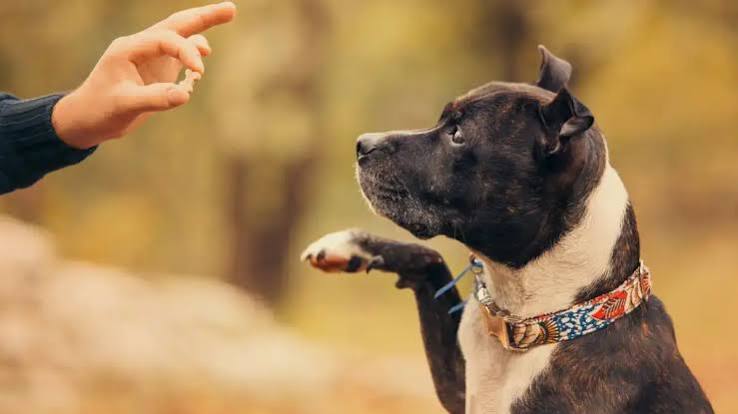
Custom Dog Training Plan for Lasting Results
Every dog learns differently, which is why a custom dog training plan can be more effective than relying on generic obedience exercises. Age, temperament, previous experiences, environment, and daily routines all influence how a dog responds to training. A personalized approach focuses on the behaviors that matter most while giving owners practical steps they can consistently follow.
For families working with Rob’s Dog Training, individualized training can help turn confusing behavior into clearer communication. Rather than expecting every dog to follow the same formula, a customized approach identifies specific needs and builds training around them.
Why a Custom Dog Training Plan Matters
A dog that pulls on walks may need a different strategy than one that struggles with fear or reactivity. Likewise, a young puppy learning basic manners has different needs from an adult dog developing unwanted habits.
A custom dog training plan considers the complete picture, including:
- The dog’s age, breed, and temperament
- Current obedience skills
- Household routines and expectations
- Triggers that cause unwanted behavior
- The owner’s goals and available training time
- The dog’s physical and mental needs
This information creates a more realistic foundation for training. Instead of simply correcting a behavior after it occurs, owners can work on the underlying skills that make better behavior easier to achieve.
Start With a Practical Behavior Assessment
Before creating training goals, it helps to understand what the dog is actually doing and when the behavior occurs. A behavior assessment can reveal patterns that may not be obvious during a short training session.
For example, a dog that jumps on visitors may not simply need to learn “off.” The behavior could be connected to excitement, inconsistent reinforcement, insufficient impulse control, or a lack of an alternative greeting behavior.
Observing the circumstances around the behavior allows training to become more precise. Owners can identify triggers, determine what reinforces the behavior, and establish measurable goals.
Build Goals Around Real-Life Situations
Training should prepare dogs for the situations they encounter every day. A dog may perform a sit perfectly in a quiet room but struggle when a delivery driver arrives or another dog passes on the sidewalk.
A useful training plan connects obedience skills to real-world environments. Goals might include:
- Responding reliably to basic cues at home
- Walking calmly on a leash
- Waiting at doors and before meals
- Greeting people without jumping
- Settling while guests are present
- Improving recall in appropriate settings
- Managing distractions without becoming overwhelmed
The goal is not simply to collect commands. The goal is to help the dog make appropriate choices when those skills are actually needed.
Personalize Training to the Dog’s Learning Style
Dogs respond to reinforcement differently, and successful training depends on understanding what motivates a particular dog. Food rewards may be highly effective for one dog, while another may work enthusiastically for toys, praise, play, or access to something it wants.
Positive reinforcement can help dogs understand which behaviors produce desirable outcomes. Timing is especially important. The reward should follow the desired behavior closely enough that the dog can make the connection.
Consistency also matters. If a dog receives attention for jumping sometimes but is expected to remain calm at other times, the mixed response can make learning more difficult.
A personalized training approach helps owners identify useful rewards and establish clear expectations.
Include Impulse Control and Focus
Many common behavior problems involve difficulty controlling excitement. A dog that rushes through doors, grabs objects, jumps on people, or becomes overly excited around distractions may benefit from impulse-control exercises.
Simple routines can provide valuable practice. Ask the dog to pause before opening a door, wait briefly before receiving a meal, or focus on the owner before moving toward an exciting distraction.
These exercises teach an important concept: access to something exciting can follow calm behavior.
Over time, impulse control can support better manners in multiple settings. It can also give owners practical tools for managing situations before unwanted behavior escalates.
Adjust the Plan as the Dog Progresses
A training plan should not remain unchanged indefinitely. Dogs learn at different rates, and progress may vary depending on the environment, difficulty level, and consistency of practice.
Owners can evaluate progress by asking:
- Is the dog responding more consistently?
- Can the behavior be performed around mild distractions?
- Does the dog recover more quickly after becoming excited?
- Are household members following the same expectations?
- Can the skill be practiced successfully in another environment?
If a dog struggles repeatedly, increasing pressure is not always the answer. The exercise may simply be too difficult at the current stage.
Breaking the behavior into smaller steps can create more opportunities for success. Once the dog demonstrates reliability, distractions and duration can gradually increase.
Make Training Part of Everyday Life
Effective dog training does not have to depend on long sessions. Short, consistent practice can be incorporated into ordinary routines.
For example, owners can practice a wait before opening the front door, reinforce calm behavior while preparing meals, or work on leash skills during regular walks. These small repetitions help dogs understand that training is part of everyday life rather than an isolated activity.
A practical custom dog training plan should fit the household’s schedule. When exercises are realistic and easy to repeat, owners are more likely to maintain them consistently.
Address the Environment Alongside Behavior
Training works best when the environment supports the desired behavior. Management can reduce opportunities for a dog to repeatedly practice unwanted habits while new skills are being developed.
For instance, a dog that jumps on visitors may need controlled greetings rather than unrestricted access to every guest. A dog that becomes overwhelmed by other animals may need greater distance while practicing attention and calm responses.
Environmental management is not a replacement for training. Instead, it creates conditions where learning can happen more successfully.
Know When Professional Guidance Can Help
Some behavior concerns are difficult to address without professional support. Persistent leash reactivity, severe fear, aggression, separation-related problems, or other challenging behaviors may require a more structured assessment and carefully managed training process.
Professional guidance can help owners understand what they are observing and develop appropriate exercises for the individual dog. It can also provide accountability when progress becomes inconsistent.
Working with an experienced trainer can make it easier to turn broad goals such as “better behavior” into specific, measurable objectives.
Create a Training Plan That Fits Your Dog
The most useful training strategy is one that accounts for the dog’s individual needs and the owner’s ability to maintain it. A thoughtful custom dog training plan brings together behavior assessment, clear goals, appropriate reinforcement, environmental management, and consistent practice. A well-designed custom dog training plan can also help owners build consistent routines that support lasting behavioral progress.
Dogs do not need perfection to make progress. They need understandable expectations, opportunities to succeed, and repetition that gradually builds reliable habits.
For owners who want individualized guidance, a personalized approach can provide clearer direction and help create more consistent communication at home and in everyday situations. A custom dog training plan can be designed around the dog’s behavior, household routines, and specific training goals. Learn more about personalized dog training support at robsdogs.