
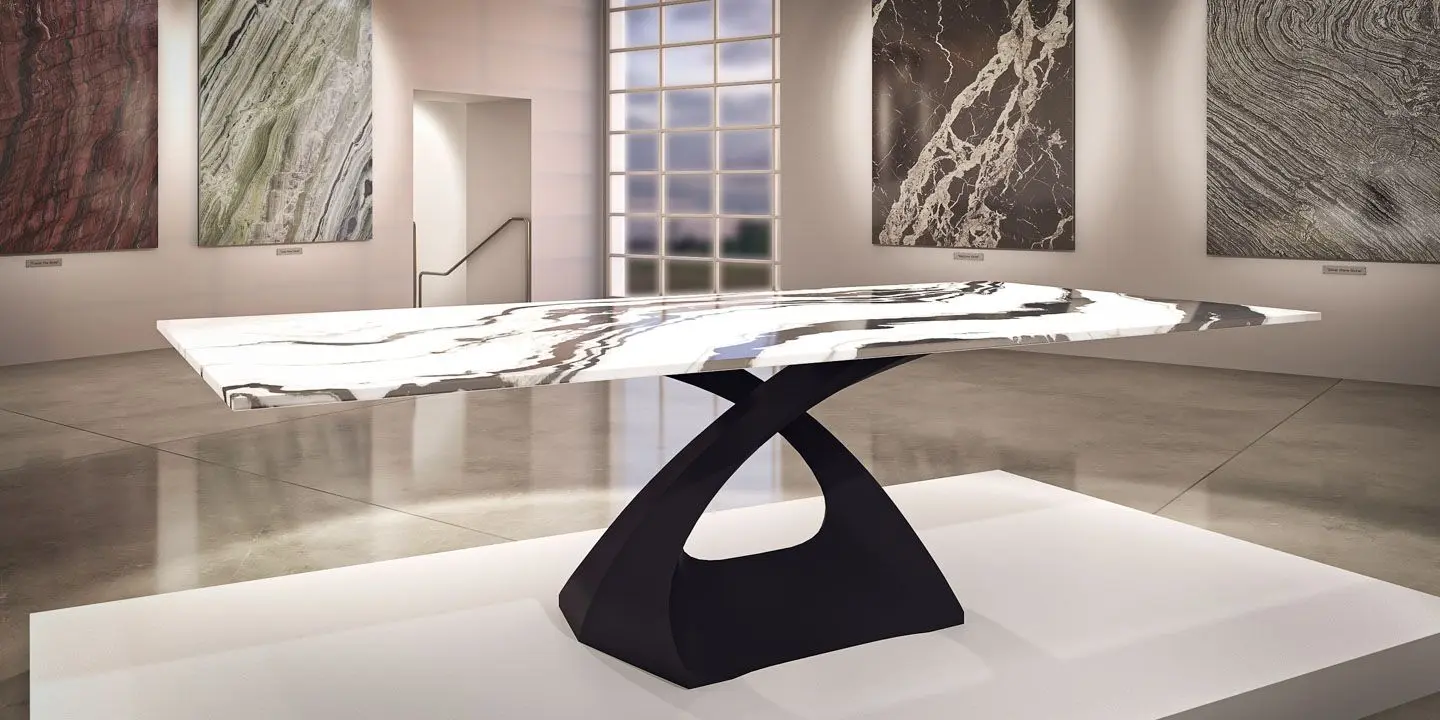
Natural Stone Inspired Quartz for Timeless Interior Design
Natural stone inspired quartz brings the visual appeal of marble, granite, and other natural materials into contemporary interior design. With distinctive veining, subtle color variations, and carefully developed patterns, engineered quartz surfaces offer a way to create attractive spaces while meeting the practical demands of everyday living. For homeowners, interior designers, and architects, choosing the right countertop material involves balancing appearance, durability, maintenance, and long-term design preferences.
Hyundai L&C offers HanStone Quartz, a collection of engineered quartz surfaces inspired by the colors, textures, and patterns found in nature. These surfaces provide design flexibility for kitchens, bathrooms, and other residential or commercial interiors. By understanding the available designs and material characteristics, property owners can make informed decisions that support both functionality and visual appeal.
Why Choose Natural Stone Inspired Quartz?
Natural stone has influenced interior design for generations because of its distinctive patterns and organic character. Marble, for example, is often associated with elegant veining, while granite offers varied mineral patterns and color combinations. Although these materials can create beautiful interiors, their maintenance requirements vary according to the specific stone, finish, and application.
Engineered quartz provides an alternative for those who appreciate natural stone aesthetics but prefer a manufactured surface with a more consistent appearance. HanStone Quartz combines natural quartz with other components through an engineered manufacturing process to produce a range of colors and patterns.
Several characteristics make quartz worth considering for countertop applications.
- Design versatility: Different colors, patterns, and finishes can complement contemporary, traditional, minimalist, and transitional interiors.
- Nonporous surface: HanStone Quartz is designed to provide a nonporous surface that does not require sealing.
- Everyday durability: Quartz countertops are designed for regular use, although appropriate care remains necessary to protect the surface.
- Visual consistency: Engineered patterns can provide greater consistency across selected slabs than the natural variations found in quarried stone.
- Convenient maintenance: Routine cleaning with suitable products helps keep the surface looking presentable without periodic sealing.
These characteristics make engineered quartz a practical option for projects where design preferences and maintenance expectations must be considered together.
How to Incorporate Natural Stone Inspired Quartz Into Interior Design
Selecting a quartz pattern is only one part of creating a cohesive interior. The surrounding cabinetry, flooring, wall colors, lighting, and fixtures also influence how the finished surface appears. Considering these elements together can help prevent the countertop from feeling disconnected from the rest of the room.
Create a Statement Kitchen Island
Kitchen islands frequently serve as gathering points for cooking, dining, and entertaining. Because they occupy a prominent position in many open-plan layouts, the countertop can become an important design feature.
A quartz surface with dramatic veining can introduce movement and visual interest to a spacious kitchen. Pairing it with simple cabinetry and understated hardware allows the pattern to stand out without overwhelming the room. For smaller kitchens, a light-colored surface with subtle veining may help establish a more open and coordinated appearance.
Before choosing a pattern, consider the island’s dimensions and the direction of the veining. Large patterns may appear differently across a full countertop than they do on a small sample. Reviewing larger product images or available slabs can help clarify how the design may look after fabrication.
Develop a Coordinated Bathroom Design
Bathroom vanities provide another opportunity to incorporate natural stone inspired quartz. A carefully selected countertop can complement the vanity cabinetry, mirrors, wall finishes, and plumbing fixtures.
Light gray veining and soft white backgrounds can support a clean, contemporary appearance. Warmer beige tones may complement wood cabinetry and natural textures, while darker patterns can create contrast against lighter walls.
When planning a bathroom, consider the room’s lighting and available space. Artificial lighting can affect how colors and patterns appear, so reviewing samples under similar lighting conditions can help with selection.
It is also important to confirm that the chosen quartz product is suitable for the intended application. Follow the manufacturer’s installation and maintenance recommendations to support the surface’s long-term performance.
Combine Quartz With Complementary Materials
An effective interior design balances different materials instead of relying on a single finish throughout the space. Quartz countertops can complement wood, metal, ceramic tile, and painted cabinetry when their colors and textures are coordinated carefully.
For example, a white quartz surface with subtle gray veining can work alongside natural wood cabinets and brushed metal fixtures. A darker quartz pattern may create contrast with light-colored cabinetry, while a warm neutral surface can connect different finishes within an open-plan living area.
The goal is to establish a consistent visual direction. Limiting the number of dominant patterns can help maintain balance, especially in rooms that already contain textured flooring, decorative wall finishes, or prominent furniture.
What to Consider Before Selecting Quartz Countertops
Although appearance often influences the initial selection, practical considerations should also guide the decision. Reviewing the product specifications, intended application, and installation requirements can help prevent avoidable problems.
Evaluate Surface Performance
Countertops encounter spills, utensils, cookware, and regular cleaning. Understanding the performance characteristics of a particular quartz product helps establish appropriate expectations.
Quartz surfaces are generally designed to resist many common stains and everyday scratches, but they are not indestructible. Excessive heat, sharp objects, harsh chemicals, and abrasive cleaning materials may damage the surface or affect its finish.
Use cutting boards when preparing food and suitable trivets or heat protection beneath hot cookware. Clean spills promptly and follow the product’s specific care instructions. These habits help protect the countertop during regular use.
Compare Colors and Patterns Carefully
The relationship between a countertop and its surroundings can influence the entire room. Before making a final selection, compare the quartz color with cabinet samples, flooring materials, wall paint, and other permanent finishes.
Consider how much contrast the room needs. A countertop that closely matches the cabinetry can create a subtle, unified appearance, while contrasting colors can define separate areas within the design.
Pattern scale also matters. Pronounced veining may become a focal point across a large island, whereas a quieter pattern may suit a smaller vanity or a room with multiple decorative elements.
Whenever possible, review the selected color in different lighting conditions and examine the available product imagery or slab samples.
Plan for Fabrication and Installation
The final appearance of a quartz countertop depends partly on accurate measurements, careful fabrication, and appropriate installation. Details such as edge profiles, seams, sink cutouts, and overhangs should be discussed before fabrication begins.
A qualified fabricator can explain how the selected pattern may align across adjoining sections and whether the desired layout is practical for the project. Cabinet support requirements, countertop dimensions, and installation conditions should also be assessed.
Planning these details early can help establish realistic expectations for the completed space and reduce the likelihood of unexpected changes during installation.
Understand Maintenance Requirements
One reason homeowners consider engineered quartz is its relatively straightforward maintenance. HanStone Quartz has a nonporous surface that does not require sealing, unlike certain natural stone materials that may need periodic sealing depending on the stone and its application.
However, nonporous does not mean maintenance-free. Regular cleaning remains necessary, and unsuitable products can affect the surface. Use cleaning methods recommended by the manufacturer rather than assuming every household cleaner is appropriate.
A consistent care routine, combined with sensible precautions against heat and physical damage, helps preserve the countertop’s appearance.
Practical Design Tips for Choosing Nature-Inspired Quartz
A thoughtful selection process can make it easier to identify a surface that complements the space and suits its intended use.
- Define the room’s style. Determine whether the project calls for a minimalist, traditional, contemporary, or transitional aesthetic before comparing patterns.
- Establish a color palette. Identify the main cabinet, flooring, and wall colors to narrow the range of suitable quartz designs.
- Consider the room’s lighting. Compare samples in natural and artificial light to understand how their tones may change throughout the day.
- Think about pattern placement. Review the size and direction of the veining, particularly for kitchen islands and other large surfaces.
- Discuss installation details. Consult a qualified fabricator about measurements, seams, cutouts, edges, and support requirements.
- Review product specifications. Confirm that the selected surface is suitable for its intended application and understand the manufacturer’s care guidance.
Following these steps helps connect design decisions with practical requirements instead of focusing on appearance alone.
Discover Hyundai L&C’s Surface Collections
Hyundai L&C offers surface solutions for different interior design needs, including HanStone Quartz and Hanex Solid Surfaces. Although both product lines can be considered for selected interior applications, they are different materials with distinct characteristics and fabrication possibilities.
HanStone Quartz offers engineered quartz designs inspired by natural stone, providing options for projects that call for varied colors, veining, and patterns. Hanex Solid Surfaces represents a separate product category that may be appropriate for applications requiring different design or fabrication characteristics.
Understanding these distinctions can help homeowners, designers, and architects compare products according to the project’s specific requirements. Rather than selecting a material based on appearance alone, consider the intended application, maintenance expectations, installation details, and desired finished look.
The official Hyundai L&C USA website provides an opportunity to review the available product collections and explore the characteristics of individual surfaces. Consulting product information and an authorized dealer or qualified fabricator can also help clarify which options are appropriate for a particular project.
Conclusion
Natural stone inspired quartz combines the visual character of nature-inspired patterns with the practical qualities of an engineered surface. From statement kitchen islands to coordinated bathroom vanities, the right design can complement surrounding materials while supporting the everyday needs of the space.
Successful selection requires more than finding an attractive color. Surface performance, pattern scale, lighting, fabrication, installation, and maintenance should all influence the final decision. By evaluating these factors together, homeowners and design professionals can choose a countertop that aligns with their aesthetic preferences and functional requirements.
Explore the HanStone Quartz collections from Hyundai L&C to discover nature-inspired designs for upcoming residential or commercial interiors. Comparing available patterns, reviewing product specifications, and consulting qualified professionals can help turn a design concept into a well-planned finished space.