
Essential Commercial HVAC Services for Office Buildings
An office building is only as productive as it is comfortable. Temperature, airflow, and air quality shape how employees work and how visitors judge your business. Commercial hvac services keep heating, cooling, and ventilation systems running reliably, without constant disruption. Knowing which services matter most helps you budget wisely and avoid breakdowns. This guide explains the essentials every office building should have in place. Strong planning now prevents stress later on.
1. Routine Maintenance and Inspections
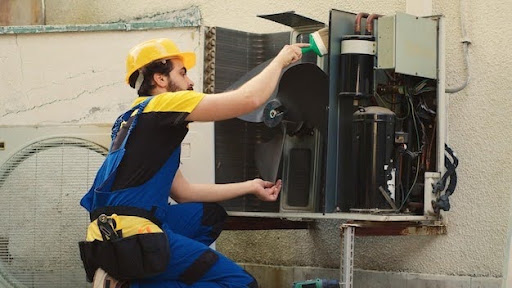
Scheduled commercial hvac services are the base of a healthy system. Technicians replace filters, clean coils, check belts and motors, test electrical connections, and calibrate controls. Regular visits catch small faults early, before they become expensive failures.
Plan inspections before the hottest and coldest seasons, and keep written reports of every visit. Documented work also helps you spot recurring problems early.
2. Repair and Emergency Support
Even well-kept equipment can fail. Fast commercial hvac services for repairs reduce downtime when a compressor stops, a fan fails, or a leak appears. Ask providers about response times, after-hours availability, and the spare parts they usually carry.
Clear emergency procedures protect employees and keep tenants informed. Practicing a response plan saves valuable time under pressure.
3. Installation and Upgrades
Older systems may cost more to run and repair than they are worth. Professional commercial hvac services can assess your building and recommend replacement or upgrades when they make sense.
Proper sizing is essential, because a unit that is too small struggles and one that is too large wastes energy. Compare written options before deciding. Ask for expected lifespan, efficiency, and warranty details.
4. Indoor Air Quality Management
Stale, dusty, or damp air affects comfort and concentration. Quality commercial hvac services include checking ventilation, filtration, ductwork, and humidity control. Clean ducts and correctly rated filters help reduce dust and odors.
Ask your provider to test airflow and balance different areas of the building. Cleaner air supports healthier, more focused teams.
5. Energy Efficiency and Smart Controls
Heating and cooling are among the largest operating costs for most offices. Smart commercial hvac services can include programmable thermostats, zoning, sensors, and scheduling that match system use to occupancy.
These tools reduce wasted energy during nights, weekends, and quiet periods. Review utility bills over time to see the effect. Small control changes often deliver noticeable savings.
6. Service Agreements and Compliance
A written maintenance agreement gives your building a predictable schedule. Reliable commercial hvac services follow local codes for electrical work, refrigerants, and fire safety, which differ by location.
Check that your provider is licensed and insured, and keep certificates and logs organized. Good records help with insurers, landlords, and inspections. Tell tenants about planned work in advance.
Final Thoughts
Commercial hvac services protect comfort, budgets, and equipment at the same time. Choose a licensed, insured provider, schedule regular maintenance, and keep detailed records. Review your program each year, ask questions whenever a report is unclear, and share staff feedback with your technician. Small, steady actions prevent costly failures and keep your office comfortable for many years to come.